


 English
 Spanish

-

Single vs Double Acting Cylinders: Key Differences
01 Single-acting cylinder Single-acting hydraulic cylinders transmit hydraulic fluid or output force in only one direction to achieve movement in one direction. Only one end of the two chambers of the cylinder has oil, and the other end is in contact with air. In the hydraulic cylinder, the piston rod can be pushed in one…
-

Hydraulic Cylinder Leakage: Low Pressure Testing Guide
“Hydraulic Cylinders – Test Methods” standard describes the operational and leakage tests under low pressure: What is hydraulic cylinder leakage under low pressure? How to test for leakage in a hydraulic cylinder under low pressure? Operation and Leakage Test at Low Pressure (1) Procedure Adjust the test system pressure and flow rate so that the…
-
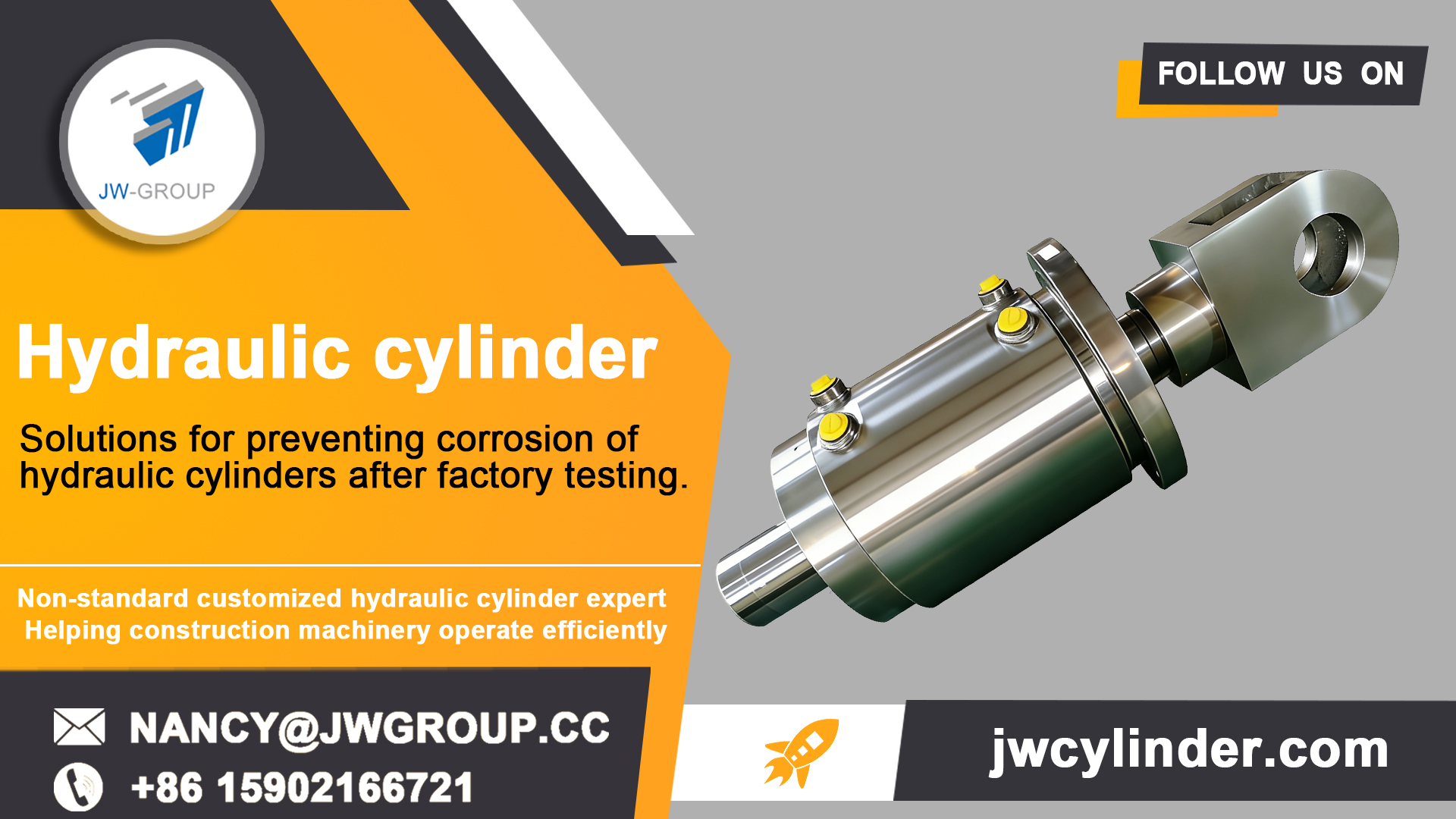
What are solutions for preventing corrosion of hydraulic cylinders after factory testing
How can hydraulic cylinders be protected against corrosion? After the hydraulic cylinder factory test is completed, compressed air is generally used to drain the hydraulic fluid from the cylinder back into the oil tank. This method offers the advantages of high efficiency, thoroughness, no residual secondary pollution, rapid drying, and extremely low cost, making it…
-
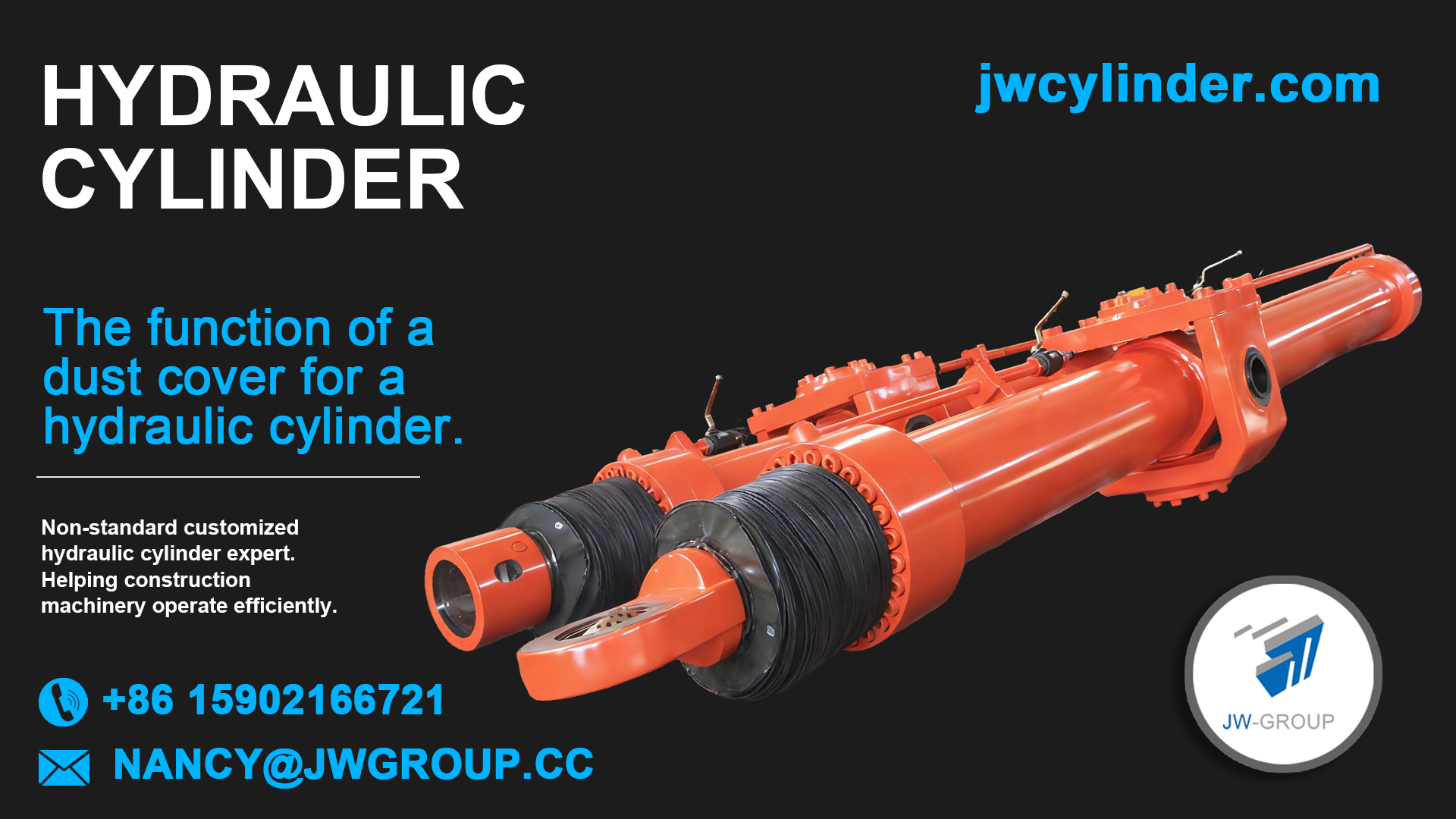
What is the function of a dust cover for a hydraulic cylinder
The hydraulic cylinder dust cover, often considered the “first line of defense” for hydraulic cylinders, has a core mission that goes far beyond simply preventing dust. Through physical isolation, it protects the internal components from external contamination and damage, making it a crucial external component that determines the reliability, maintenance cycle, and service life of…
-
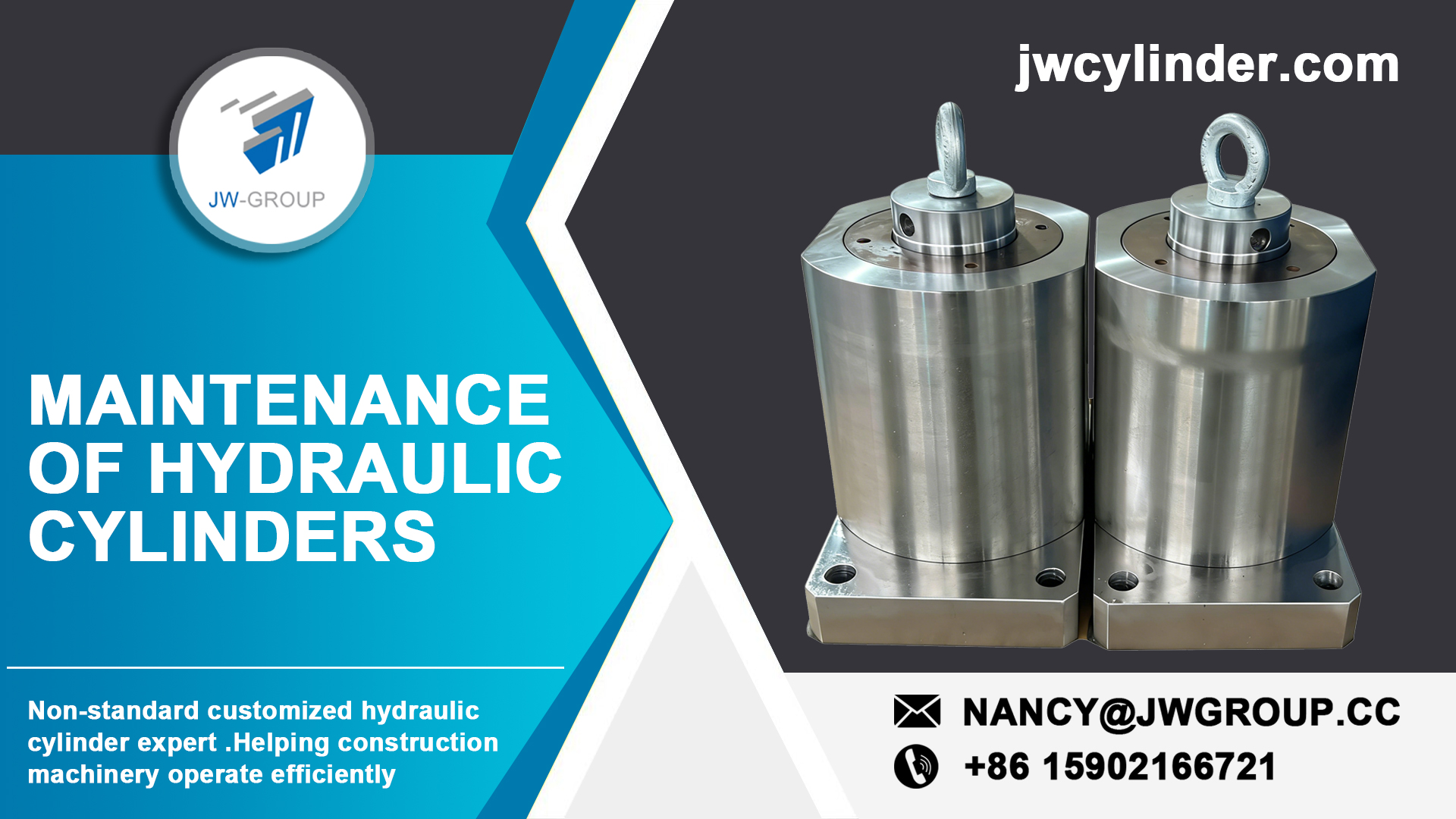
How to maintain hydraulic cylinders?
Maintenance of hydraulic cylinders is crucial for ensuring their long-term reliable operation, preventing sudden failures, and extending their service life. A comprehensive maintenance plan should be divided into three levels: “daily inspections,” “periodic inspections and maintenance,” and “monitoring under special operating conditions.” The core principle is “prevention first, monitoring foremost.” I. Daily Inspection Objective: To…
-
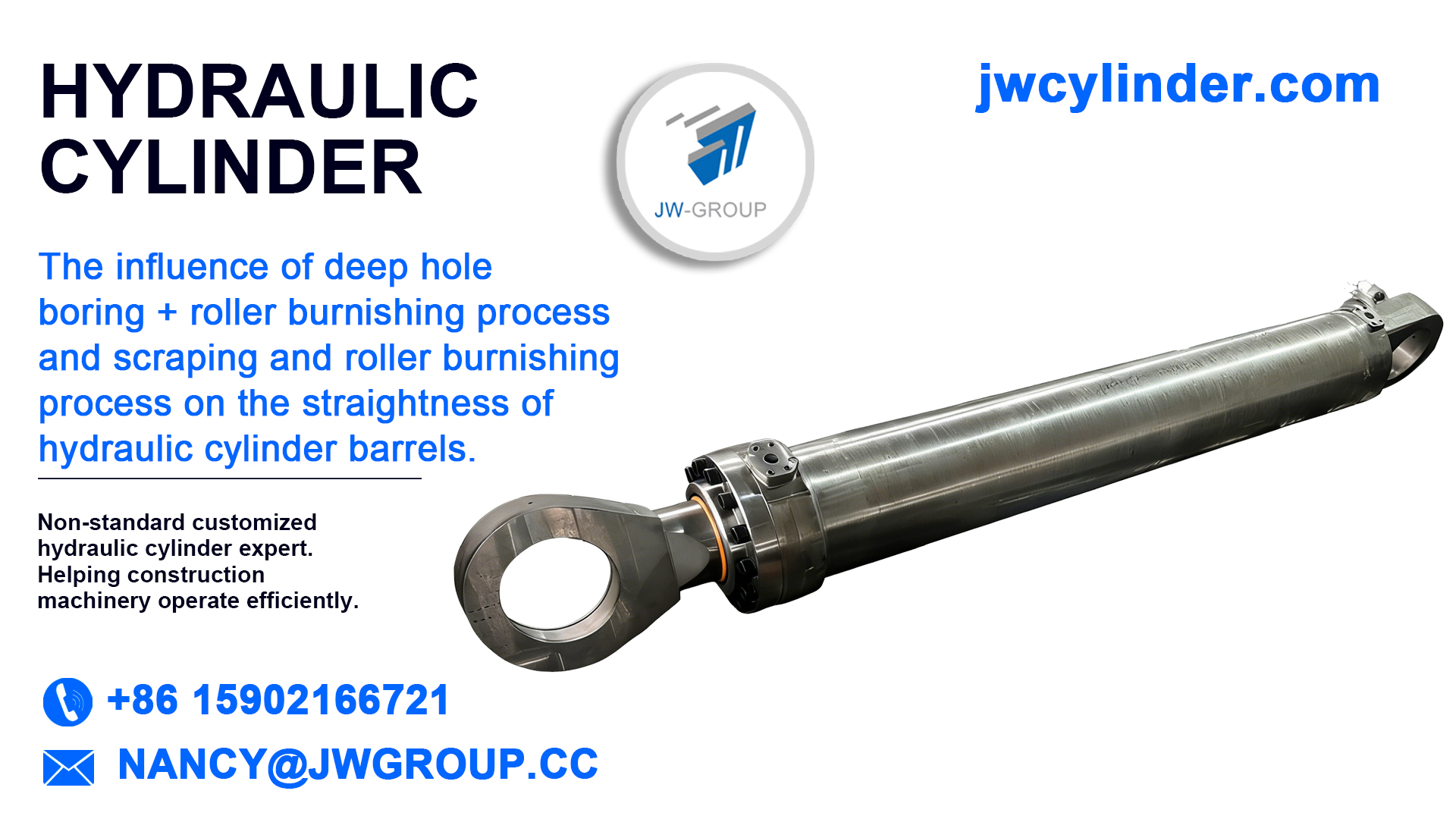
Deep Hole Boring vs. Scraping in Hydraulic Cylinders
The machining of the inner bore of a hydraulic cylinder generally involves boring and honing. Boring itself is typically divided into deep hole boring with roller burnishing and roller burnishing boring. In recent years, with the advancements in material cold drawing technology, and development of roller burnishing boring equipment, and the tremendous advantages of the roller…
-
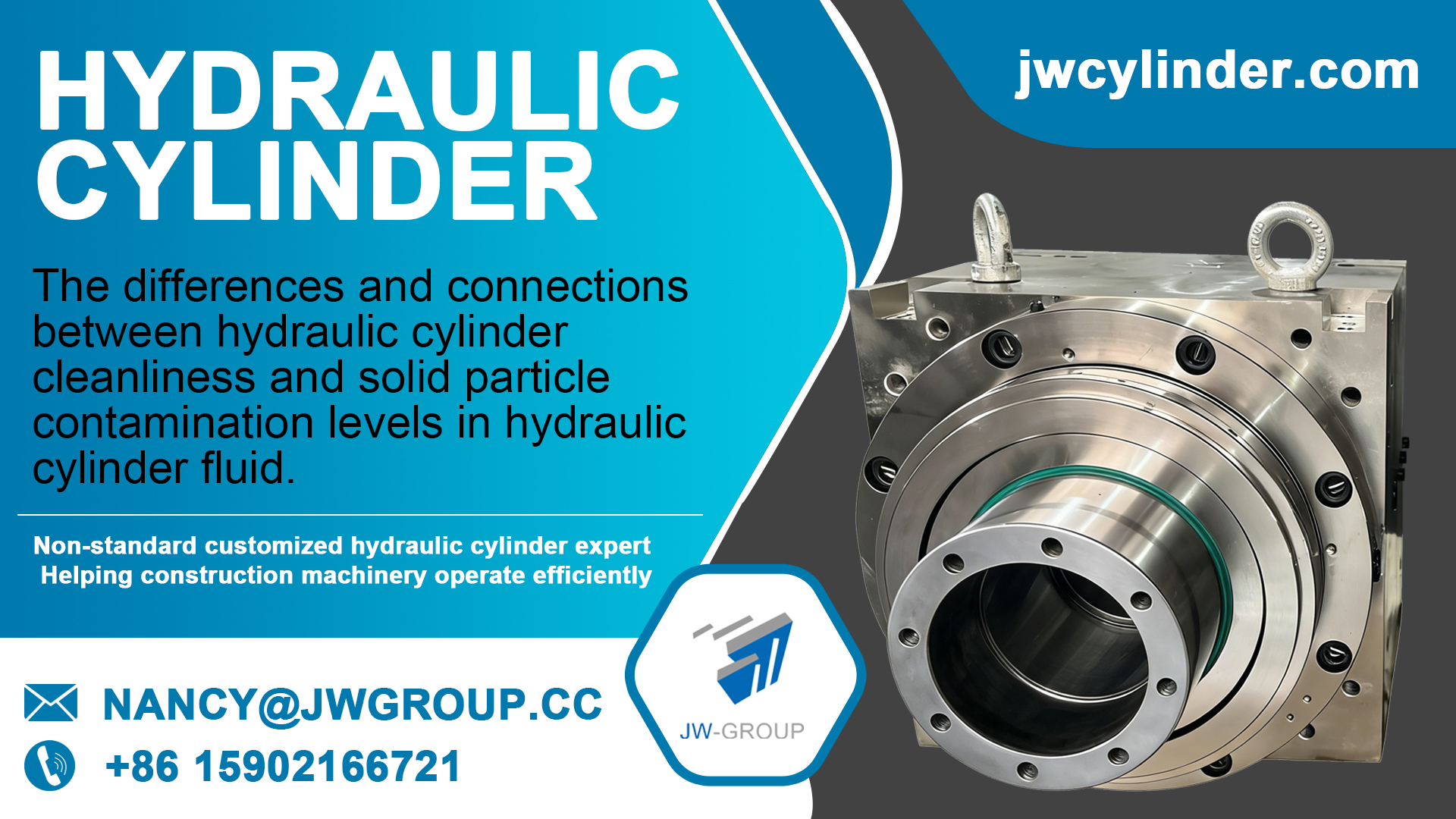
Hydraulic Cylinder Cleanliness & Contamination Levels
This analysis explores the differences and connections between hydraulic cylinder cleanliness and the level of solid particle contamination in the hydraulic fluid, and encourages further discussion and learning on this topic. Hydraulic cylinder cleanliness: This focuses on the internal cleanliness of the hydraulic cylinder itself, and is a “static” manufacturing or repair and assembly indicator.…
-
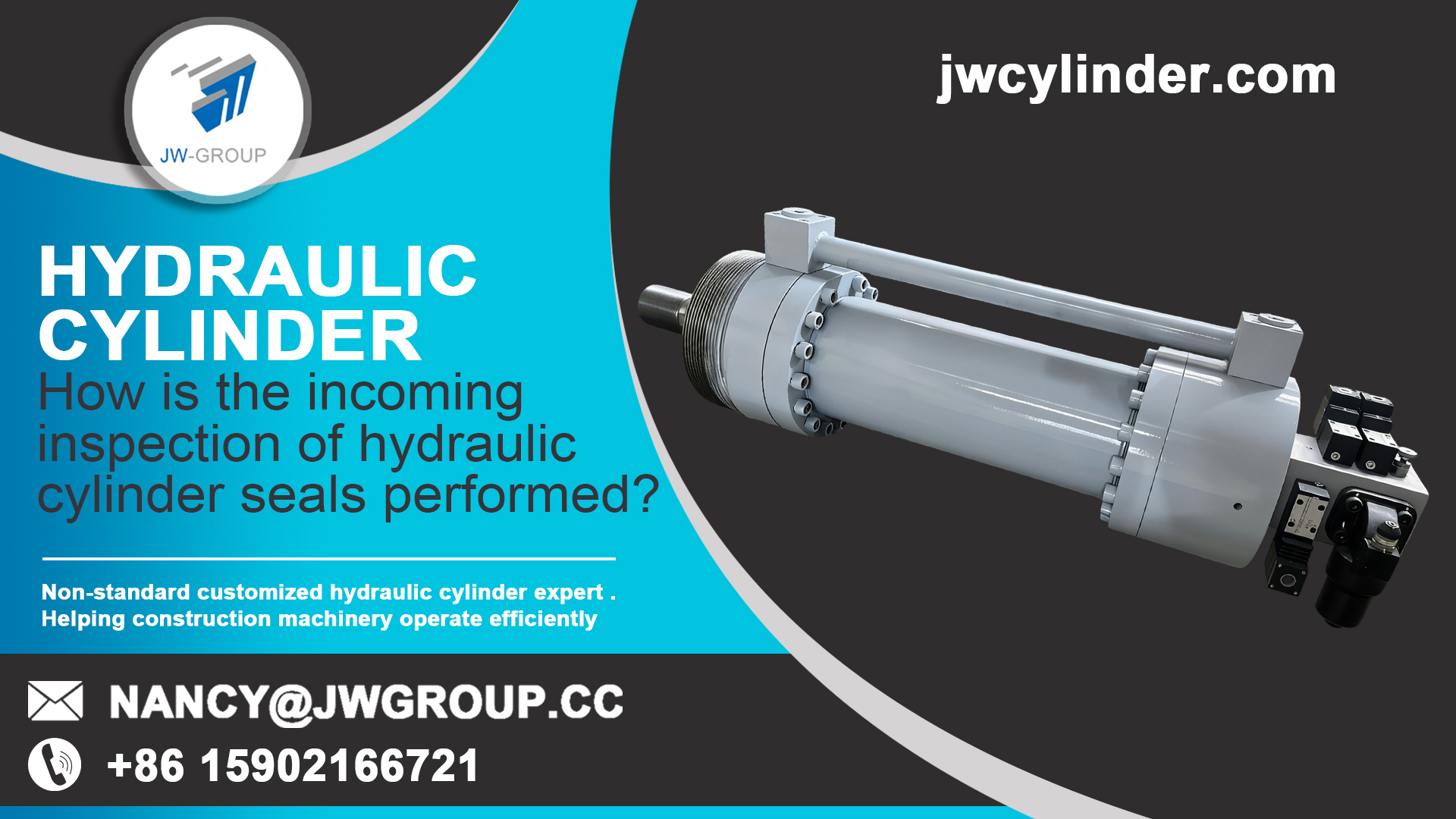
How is the incoming inspection of hydraulic cylinder seals performed?
As we mentioned in earlier articles: How complicated is the sealing of hydraulic cylinders? Six sealing methods explained Function and selection of common seals for hydraulic cylinders 12 types of hydraulic O-ring failure modes and prevention measures. Control and avoid oil leaks PTFE Step Seals and Glyd Rings for Hydraulic Cylinders How to correctly select…
-
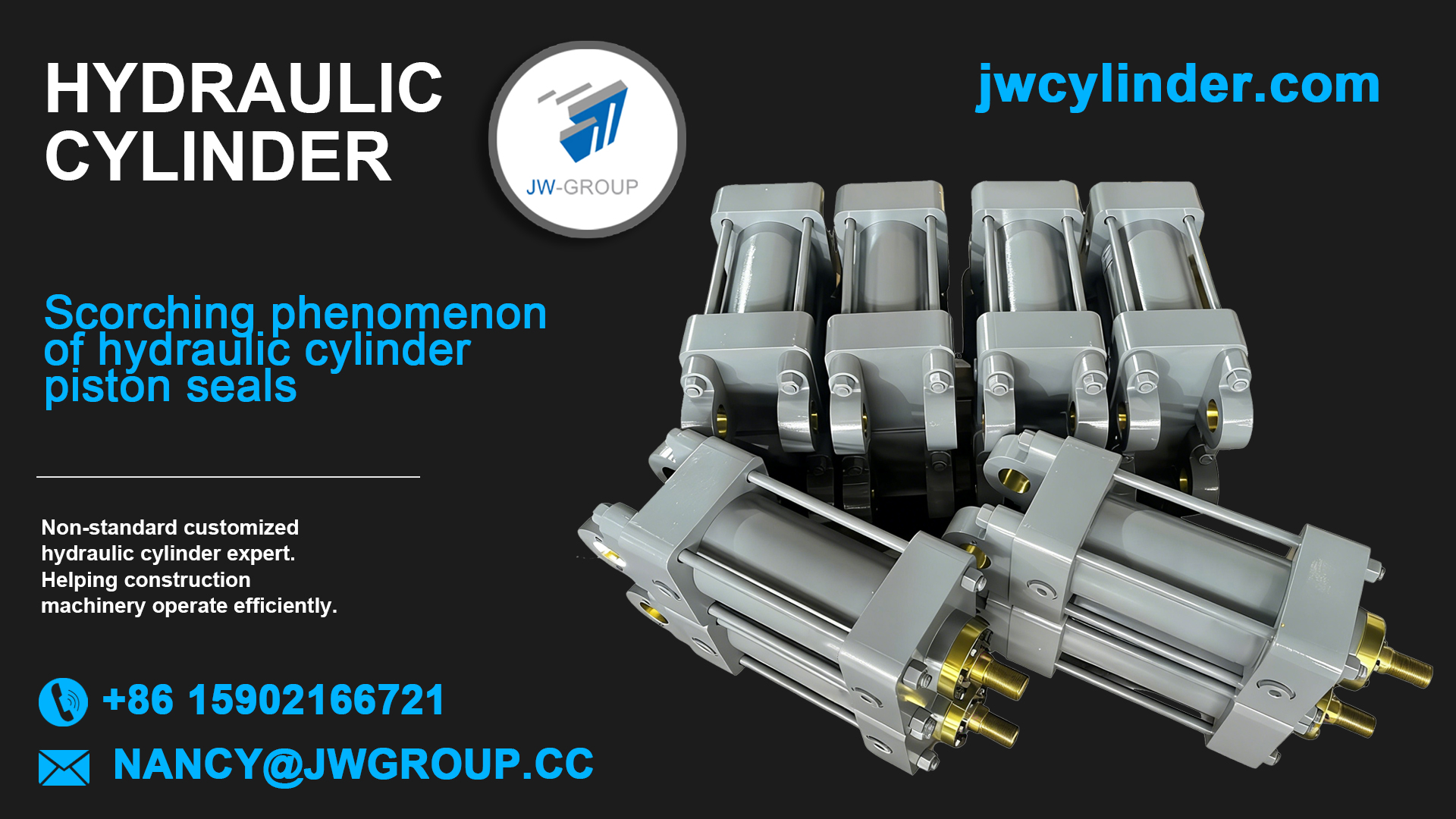
Why is Scorching phenomenon of hydraulic cylinder piston seals
Why there is the issue of seal scorching. Seal scorching is primarily attributed to the extreme high temperatures generated by gas under high-pressure compression. The phenomenon of seal scorching is mainly categorized as being caused by the extreme high temperatures generated by gas under high-pressure compression. We have attempted to provide the following description based on…

