


 English
 Spanish

-

Single vs Double Acting Cylinders: Key Differences
01 Single-acting cylinder Single-acting hydraulic cylinders transmit hydraulic fluid or output force in only one direction to achieve movement in one direction. Only one end of the two chambers of the cylinder has oil, and the other end is in contact with air. In the hydraulic cylinder, the piston rod can be pushed in one…
-
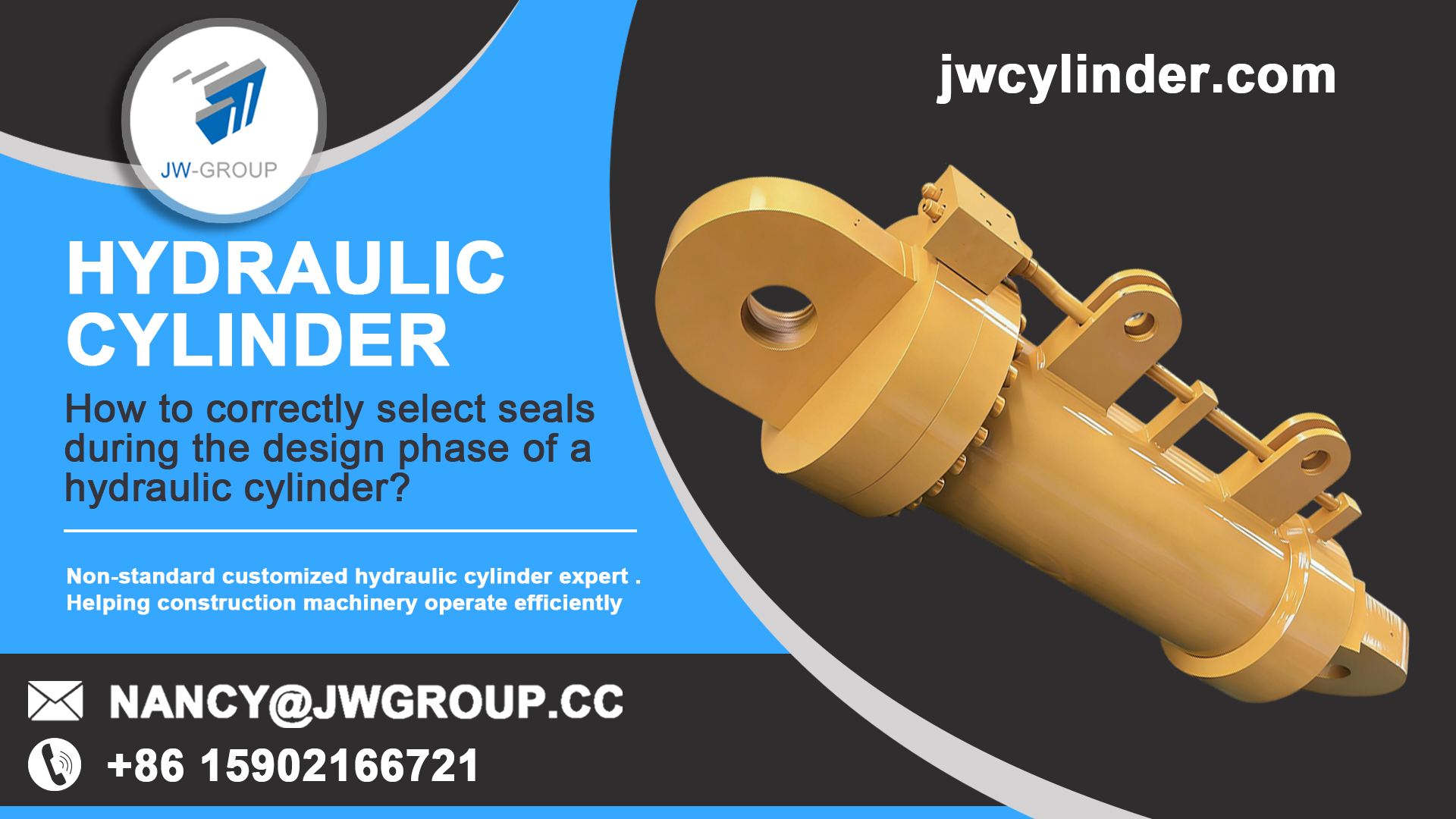
How to correctly select seals during the design phase of a hydraulic cylinder?
Accurate seal selection during the hydraulic cylinder design phase is crucial. The core of this process lies in translating systematic operating conditions into specific design parameters and material choices. In addition to considering conventional factors such as operating environment, temperature, medium, and pressure, the selection process also requires in-depth consideration of more complex engineering details…
-

Design and Calculation of Hydraulic Cylinders for Hydraulic Presses
2.1 Design and Calculation of Hydraulic Cylinders for Hydraulic Presses The previous articles in this series discussed the Technical requirements for design and manufacturing of hydraulic cylinders-Barrel tube, hydraulic cylinders-Piston and Piston rod, Cylinder head and cylinder bottom,Guide sleeves, Sealing devices, Buffer, Venting, Anti-loosening,Installation and Connection,Assembly. Today we talk about Design and Calculation of Hydraulic Cylinders…
-
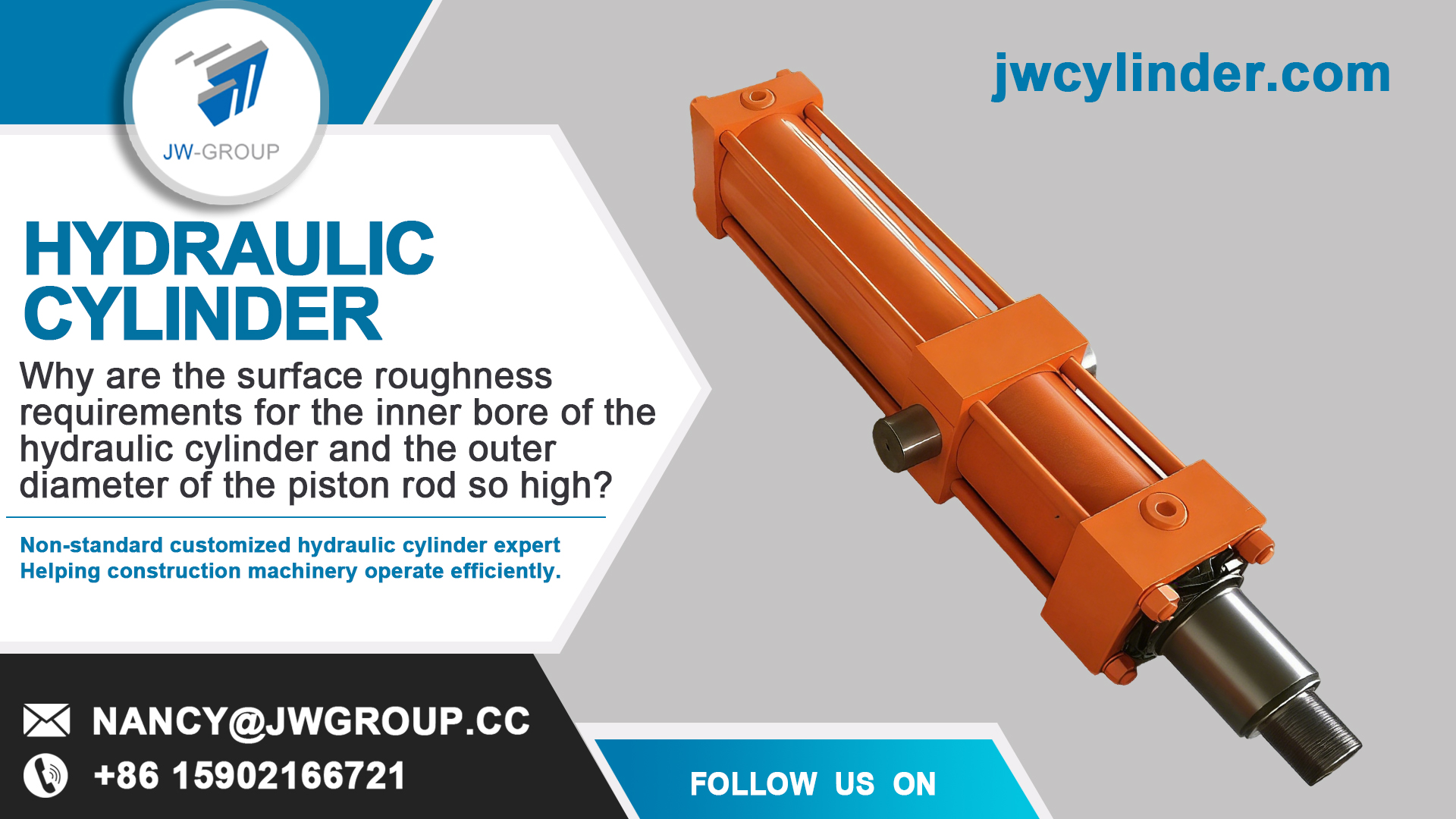
Why are the surface roughness requirements for the inner bore of the hydraulic cylinder and the outer diameter of the piston rod so high?
In recent years, with advancements in processing technology, the roughness requirements for the inner bore of hydraulic cylinder barrels and the outer surface of piston rods have been steadily increasing. The typical technical requirement for the inner bore roughness is Ra 0.4, but currently, after precision honing or roller burnishing, the inner bore roughness is…
-
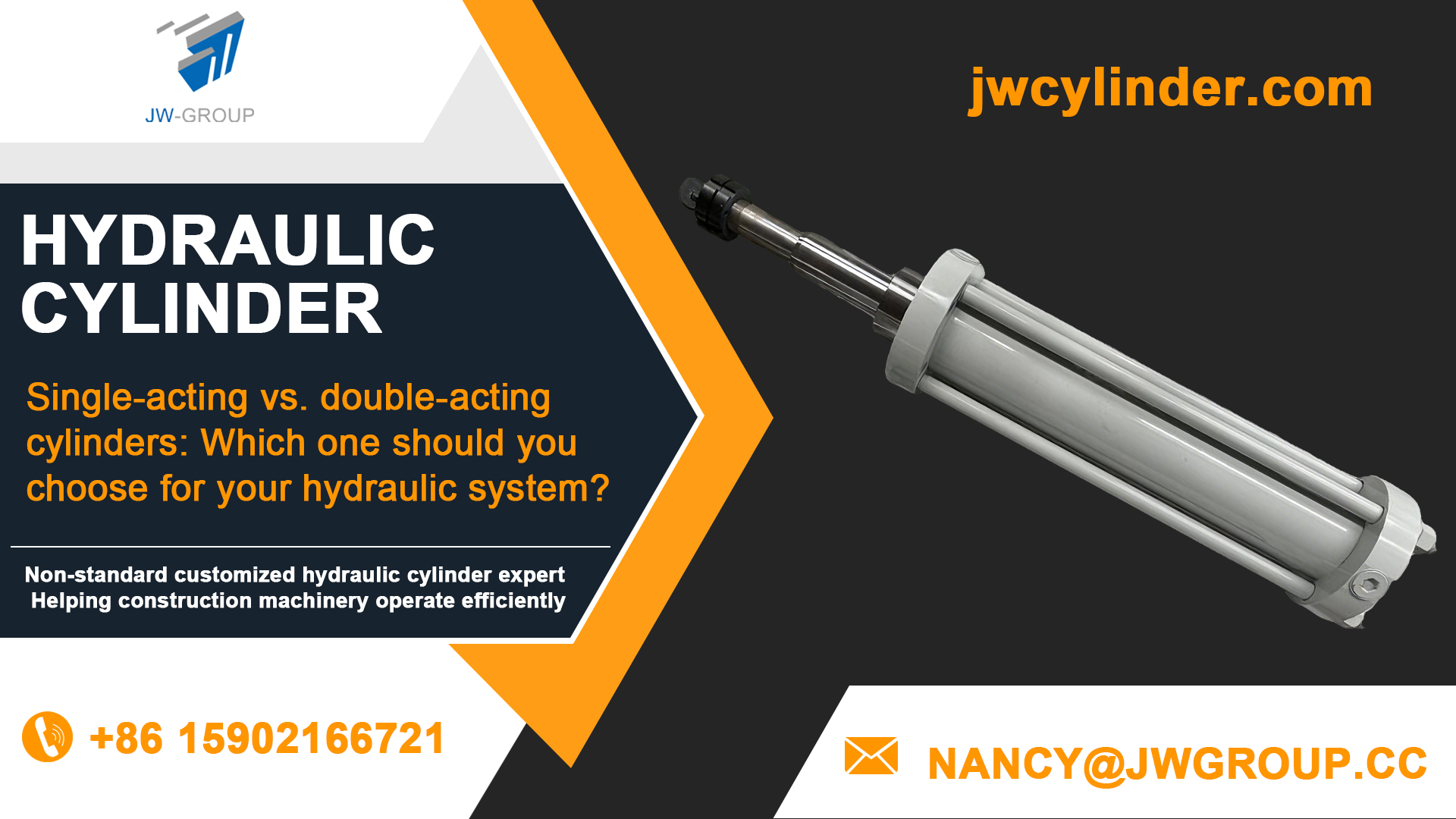
Single vs Double Acting Cylinders for Hydraulic Systems
In industrial power transmission, hydraulic cylinders are often called the “muscles of industry.” From heavy steel structures on construction sites to high-precision automated production lines in factories, hydraulic cylinders are essential for converting hydraulic power into linear, reciprocating mechanical motion. Yet when designing hydraulic systems or selecting equipment for maintenance, engineers and procurement professionals are…
-
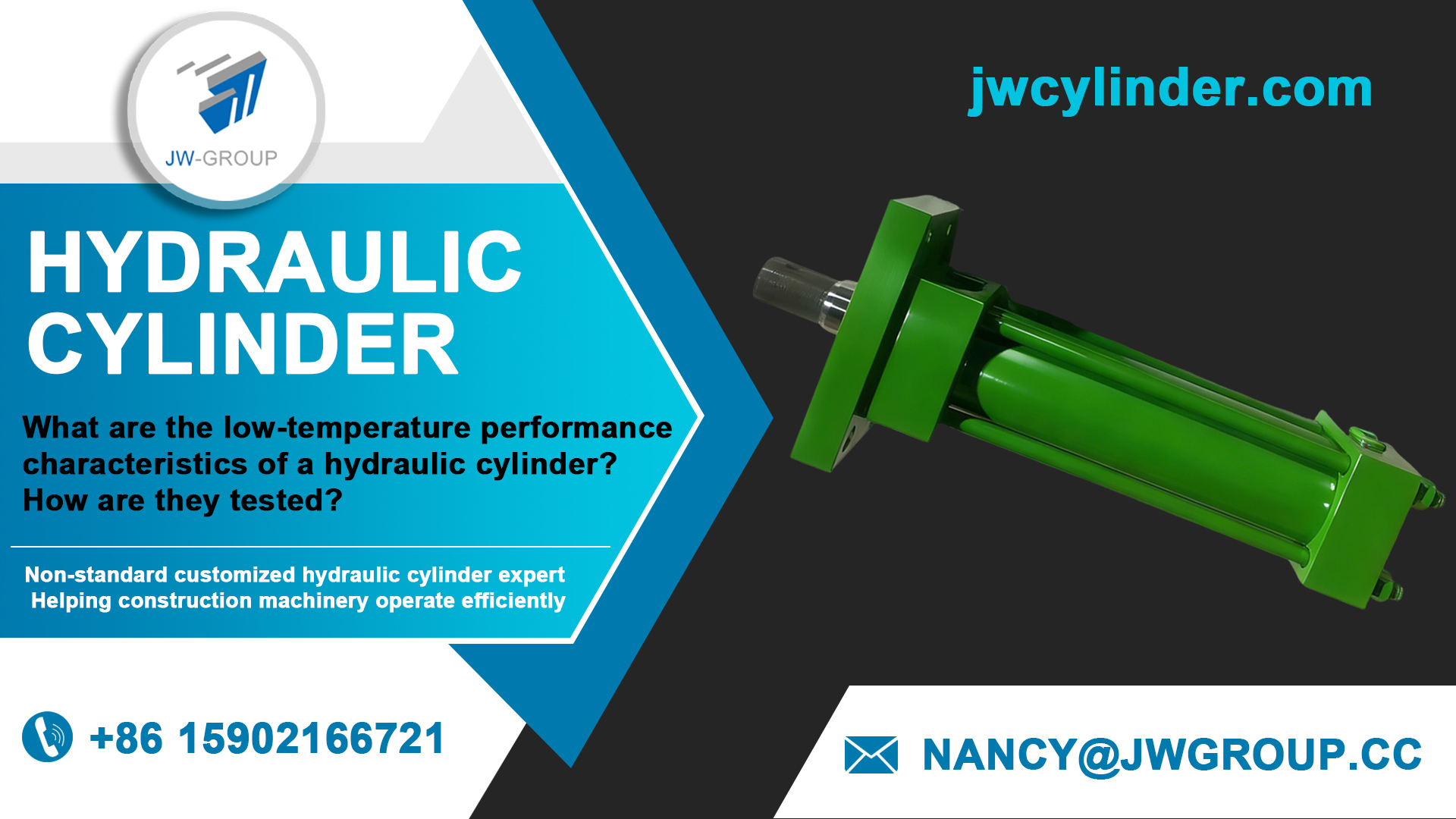
Low-Temperature Performance of Hydraulic Cylinders Explained
I. What is the low-temperature performance of a hydraulic cylinder? The low-temperature performance of a hydraulic cylinder refers to its ability to start normally, operate smoothly, and maintain its sealing performance and mechanical integrity in low-temperature environments (typically below 0°C, especially below -20°C). Low-temperature environments have a series of unique effects on the hydraulic cylinder…
-
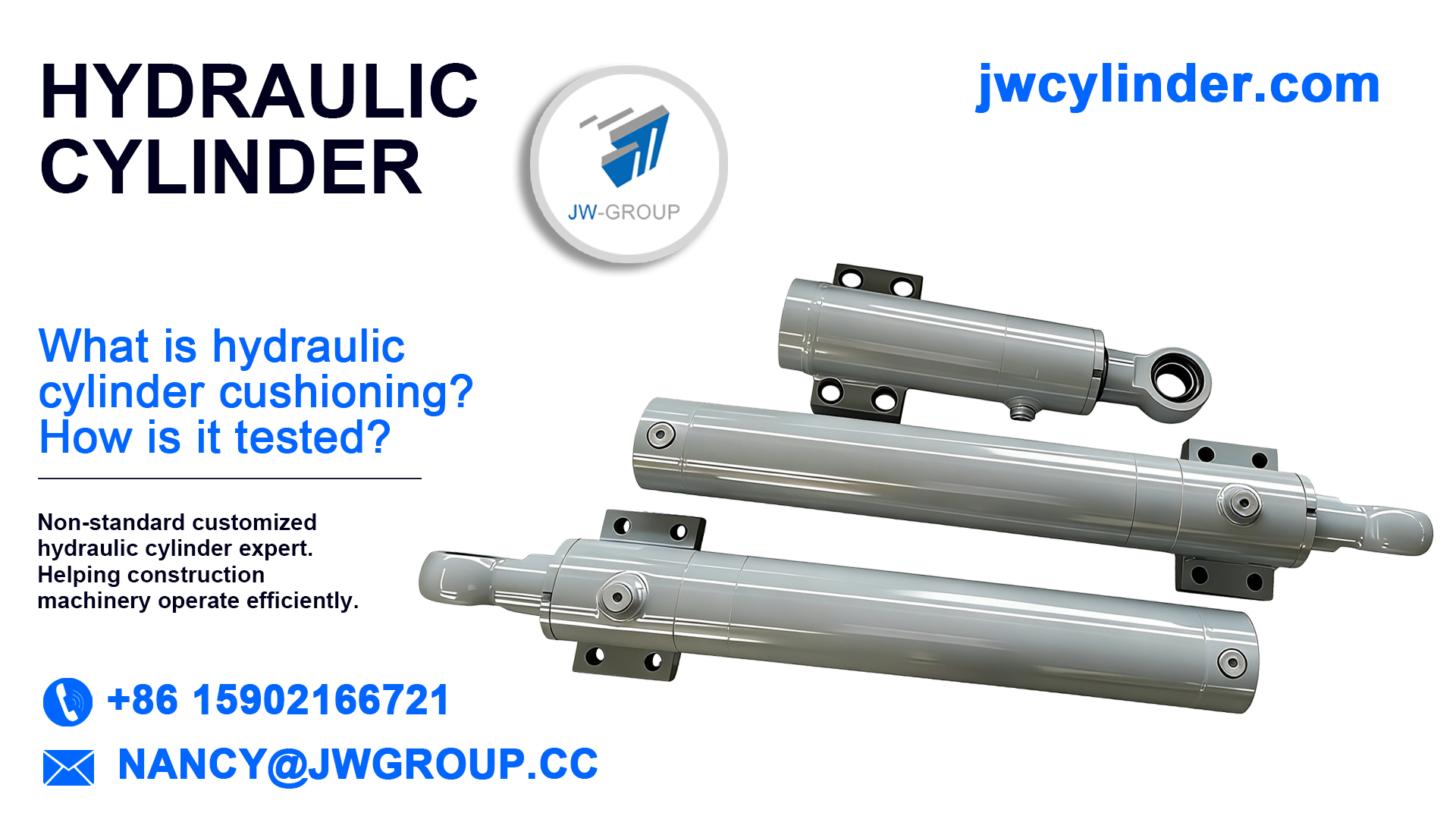
What is hydraulic cylinder cushioning? How is it tested?
What is hydraulic cylinder cushioning? How is it tested? Today we will try to analyze the cushioning of hydraulic cylinders and how to test it. There are many types and forms of hydraulic cylinder cushioning structures, and each type of cushioning structure has its own specific applicable working conditions. I. What is Hydraulic Cylinder Cushioning?…
-
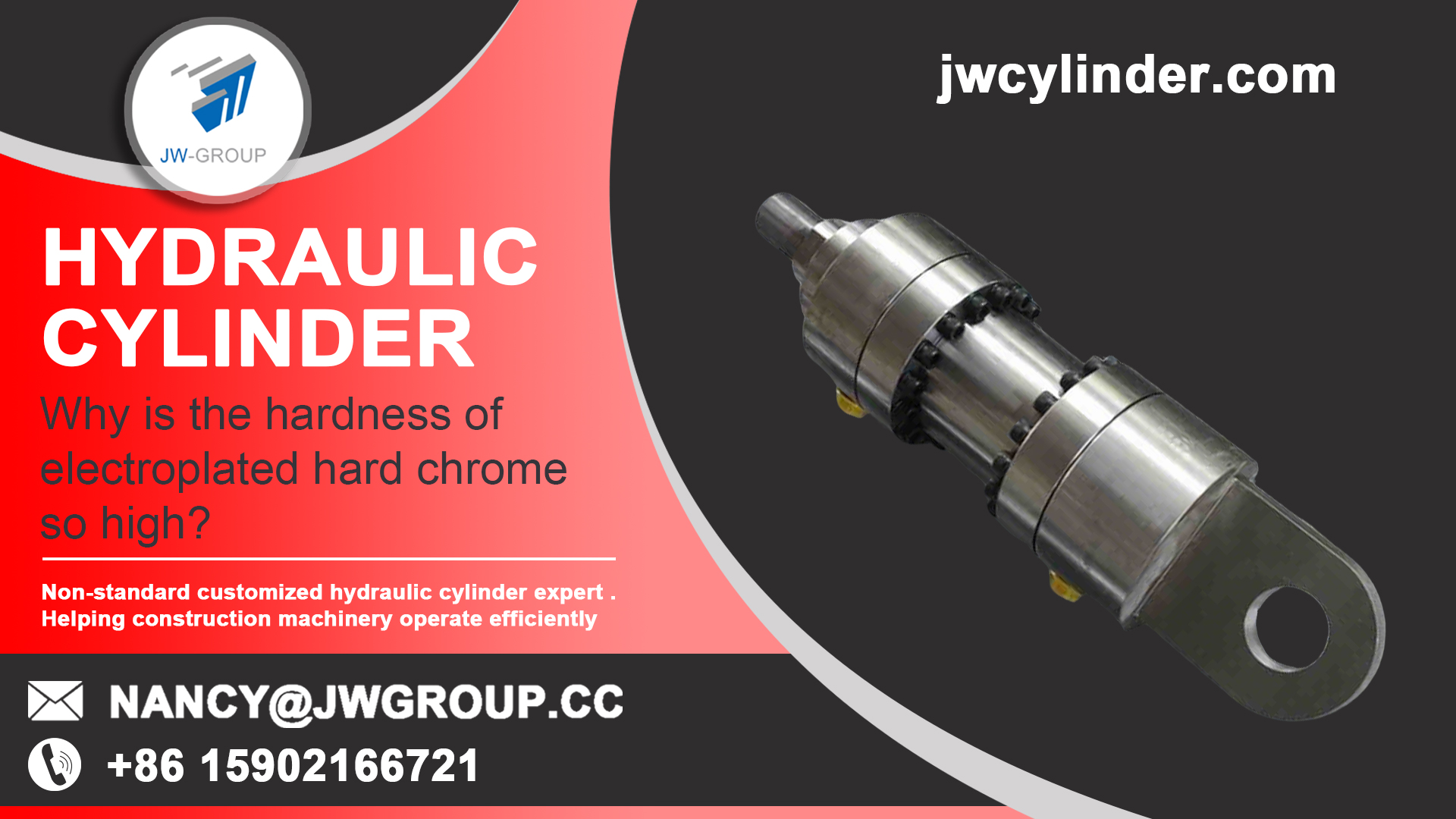
Why is the hardness of electroplated hard chrome so high?
Why is the hardness of electroplated hard chrome so high? Chromium is a silvery-white, lustrous metal. Pure chromium is ductile, while chromium containing impurities is hard and brittle. Its relative density is 7.15 g/cm³, its melting point is 1907℃, and its boiling point is 2679℃. Technical Specifications for Piston Rods describes the hardness of the electroplated…
-

The Necessity of Induction Hardening with Chrome Plating
Why is medium/high-frequency induction hardening needed despite hard chrome plating? Electroplated hard chrome layers have very high hardness. However, in some specialized applications such as hydraulic cylinders for excavators and loaders, the piston rods of the hydraulic cylinders are required to undergo medium/high-frequency induction hardening, resulting in a hardness value typically around HRC55-60. Why is…

