


 English
 Spanish

-

Single vs Double Acting Cylinders: Key Differences
01 Single-acting cylinder Single-acting hydraulic cylinders transmit hydraulic fluid or output force in only one direction to achieve movement in one direction. Only one end of the two chambers of the cylinder has oil, and the other end is in contact with air. In the hydraulic cylinder, the piston rod can be pushed in one…
-

Why Are Test Benches Essential for Hydraulic Cylinder Factory Inspections? An Analysis of Pressure, Leakage, and Stroke Tests
Abstract Factory acceptance testing for hydraulic cylinders is not merely a matter of “applying pressure.” A test rig must establish controlled parameters for pressure, flow, directional switching, isolation, measurement, and safety boundaries to separately verify stroke and operation, pressure-bearing integrity, and both internal and external leakage. This article analyzes what each of the three tests…
-

Common Hydraulic Cylinder Faults and Solutions
Hydraulic cylinder air explosion failure 1. While “air explosion” failures in hydraulic cylinders are relatively uncommon, they pose a severe risk. If air is not fully purged from the cylinder and gas remains entrained in the hydraulic fluid, the rapid movement of the piston rod causes the air to undergo sudden, extreme compression. This generates…
-

What types of seals are used in a hydraulic cylinder?
In the fields of modern industrial manufacturing and construction machinery, hydraulic transmission systems have become a vital technical solution for power transmission and precision control in heavy-duty equipment, thanks to advantages such as high power density, rapid response, and stable reliability. As critical actuating components within these systems, hydraulic cylinders perform the core task of…
-

HANNOVER MESSE 2026 JW CYLINDER booth No. Hall:017, Booth:B66-20
Welcome to JW CYLINDER booth in HANNOVER MESSE 2026 exhibition!JW booth No.: Hall:017, Booth:B66Exhibition time: April 20 – 24thExhibition address: Messegelände, 30521 Hannover, GermanyCenter: Hannover exhibition center Contact: Nancy ZhuEmail: nancy@jwgroup.ccWeb: jwcylinder.comMobile/Whatsapp: +86 15902166721 HYDRAULIC CYLINDERTechnical Specifications:Max Design Pressure: 70 MPaBore Diameter: 25 – 1200 mm (1 – 45 inches)Rod Diameter: 12–500 mm (½–20 inches)Max…
-
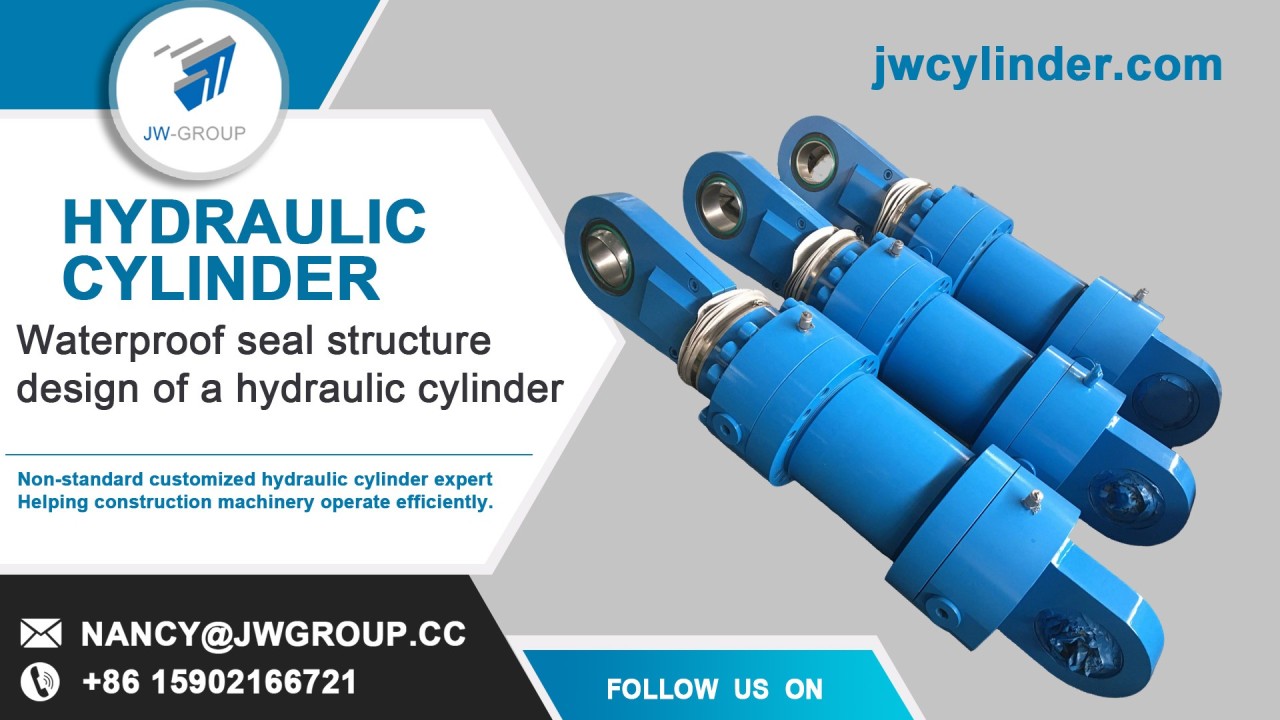
Designing Waterproof Seals for Hydraulic Cylinders
A brief introduction to the waterproof seal structure design of a hydraulic cylinder product. The design of the “waterproof ring” (usually an O-ring) of the hydraulic cylinder is different from that of the “dustproof ring” in terms of function and location, but together they constitute a complete sealing and protection system for the hydraulic cylinder.…
-
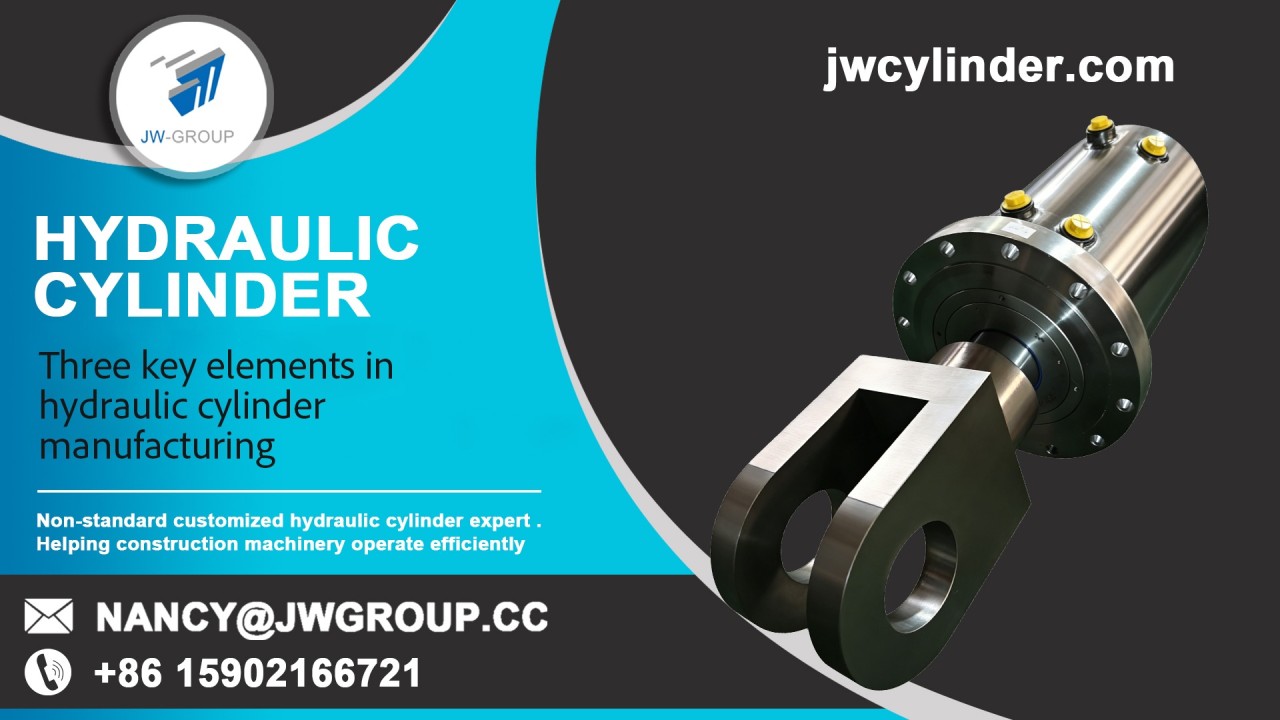
Robot Challenge Screen: Explore Hydraulic Cylinder Insights
In the manufacturing process of hydraulic cylinders, three crucial elements determine their performance and lifespan: cylindricity, straightness, and coaxiality. These three core geometric tolerances constitute the core challenge in hydraulic cylinder manufacturing. They interact and collectively determine the performance and lifespan of the hydraulic cylinder. The difficulty in controlling these tolerances lies not only in…
-
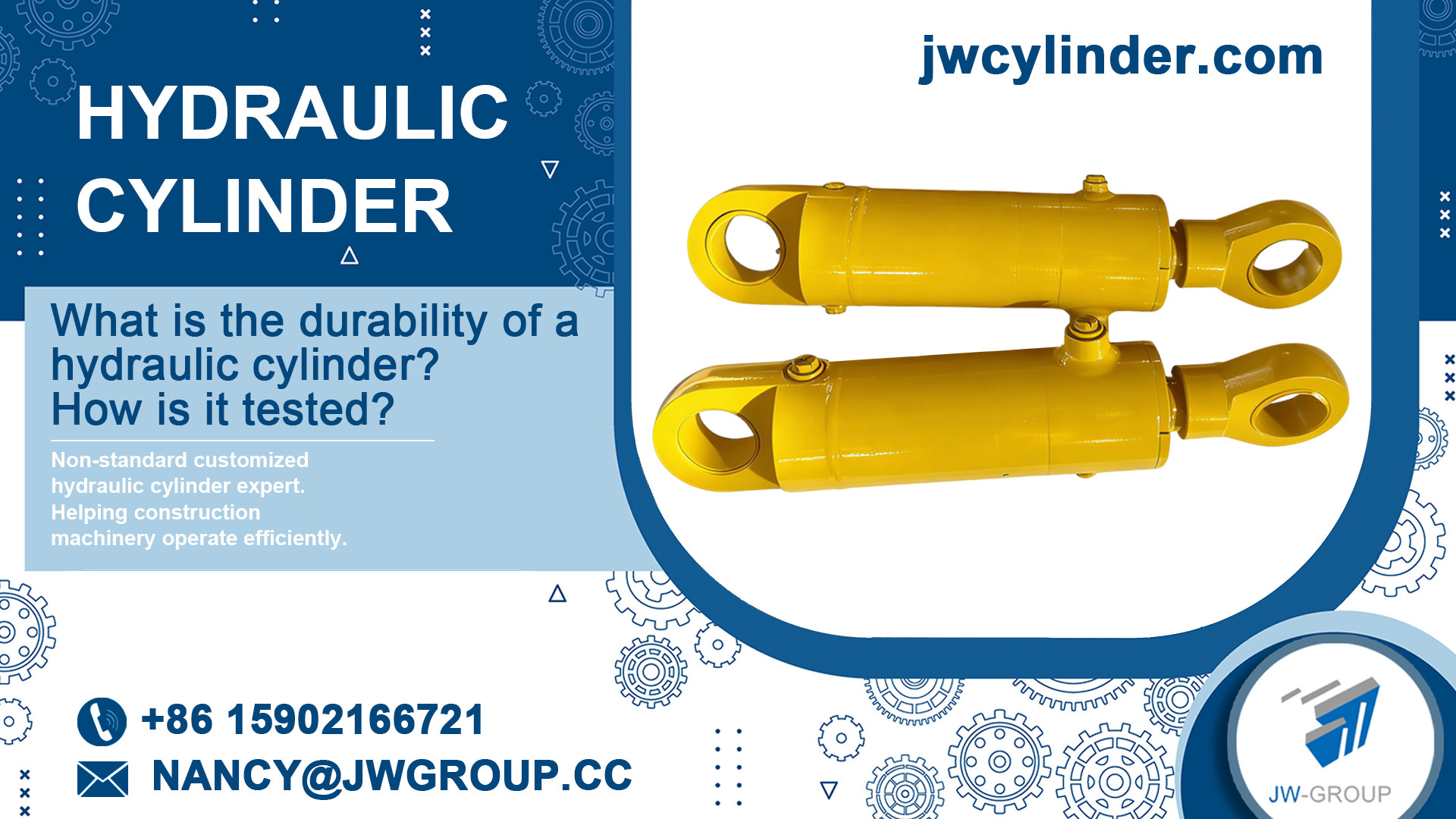
What is the durability of a hydraulic cylinder? How is it tested?
“Hydraulic Cylinders” standard specifies requirements for the durability of hydraulic cylinders. What exactly is hydraulic cylinder durability, and how is it tested? Let’s try to analyze this. Durability 1. Double-acting hydraulic cylinders: When the piston stroke L ≤ 500mm, the cumulative stroke shall be ≥ 100km; when the piston stroke L > 500mm, reversing is…
-
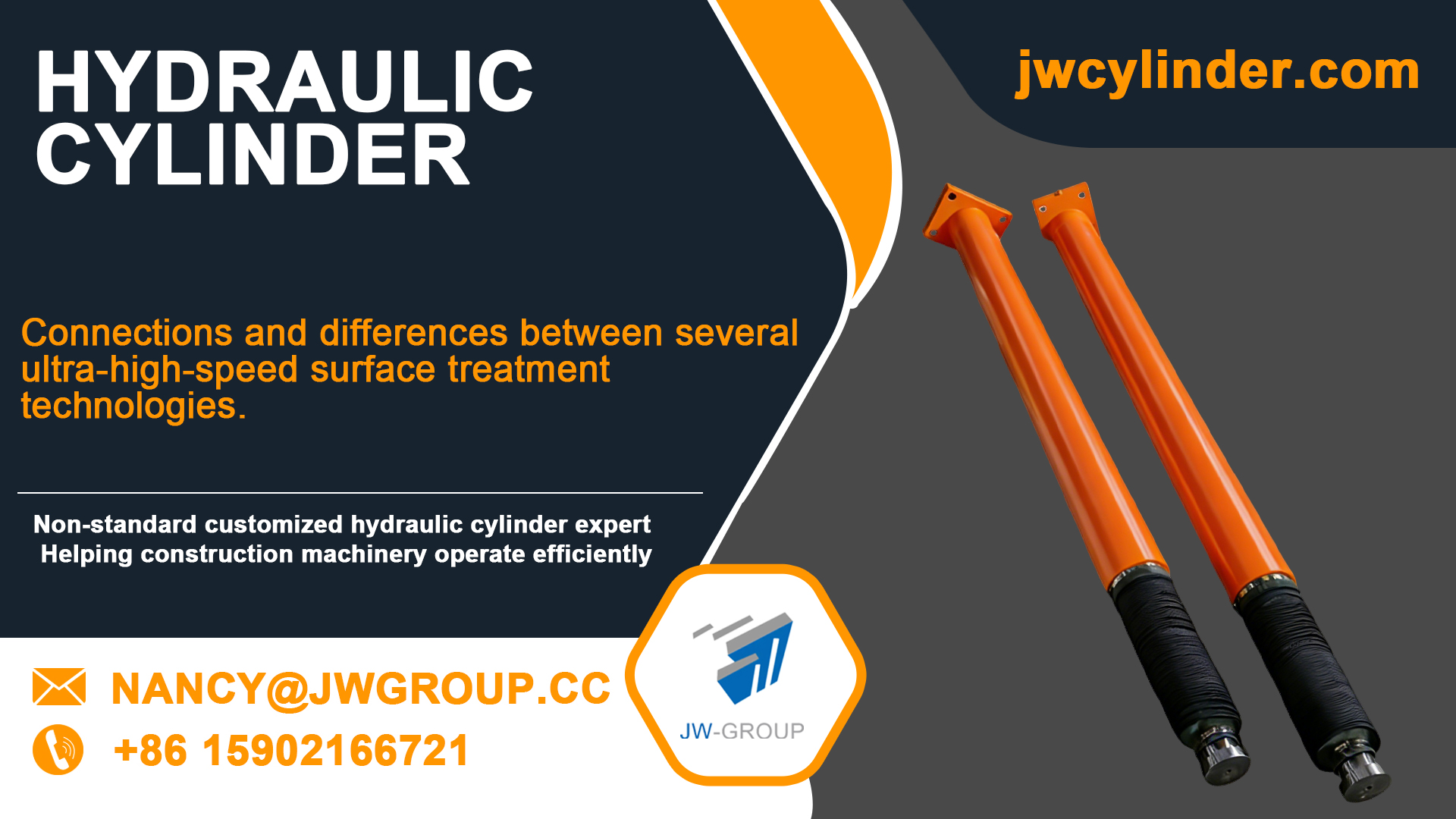
Comparing Ultra-High-Speed Surface Treatments for Cylinders
“Ultra-high-speed” surface treatment technology refers to a class of techniques that accelerate sprayed or deposited materials to supersonic speeds (typically above 340 meters per second) and process them at extremely high speeds (such as tens or even hundreds of meters per minute). Compared to traditional techniques, it can produce denser, more strongly bonded, and higher-performing…

